

 Política de seguridad
(editar con el módulo de Información de seguridad y confianza para el cliente)
 Política de entrega
(editar con el módulo de Información de seguridad y confianza para el cliente)
 Política de devolución
(editar con el módulo de Información de seguridad y confianza para el cliente)
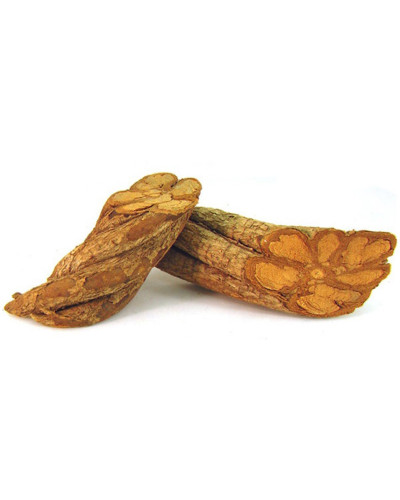
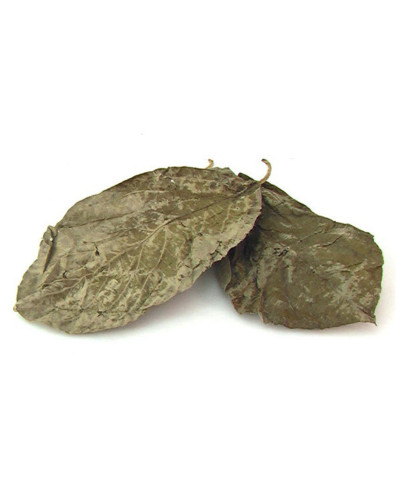
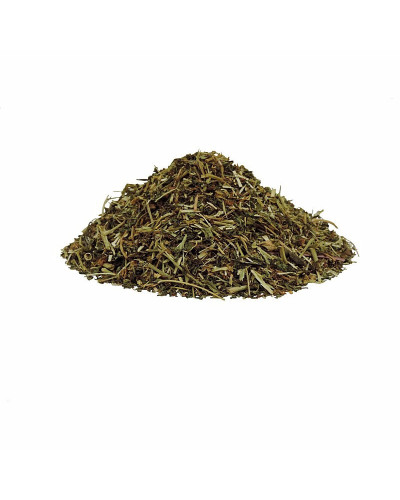
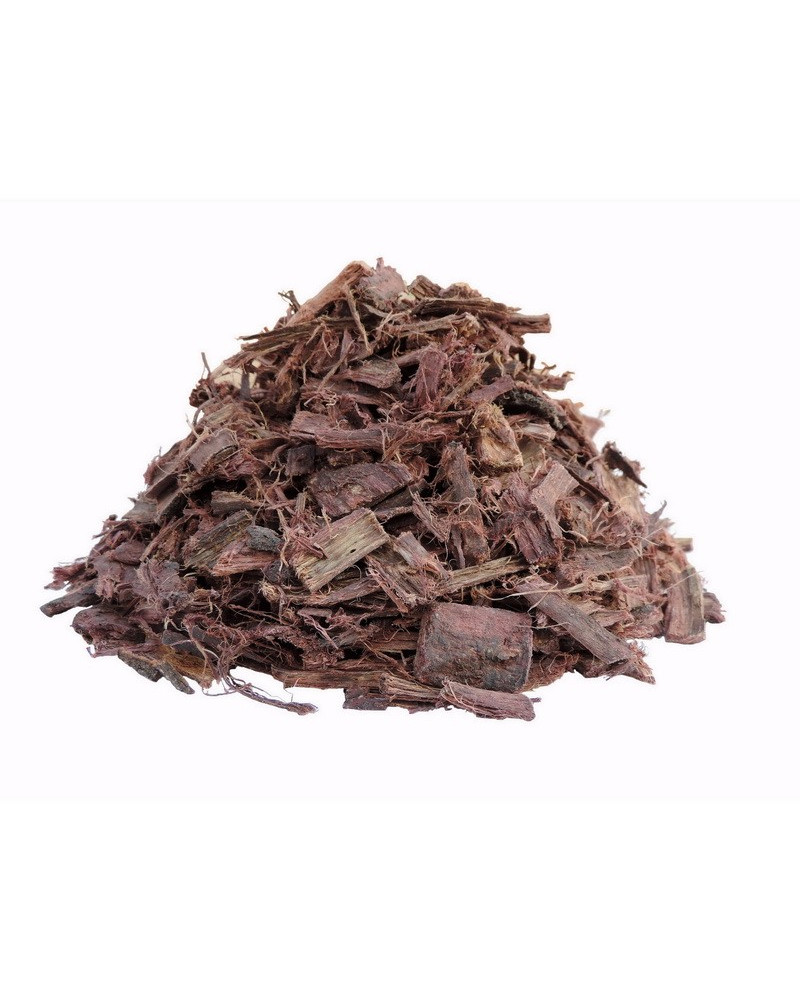
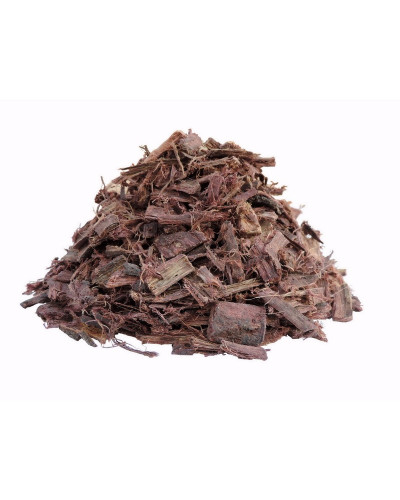
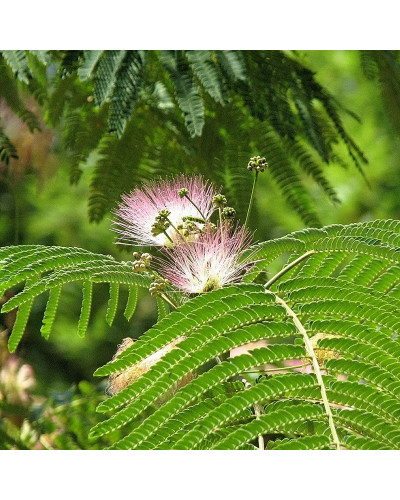
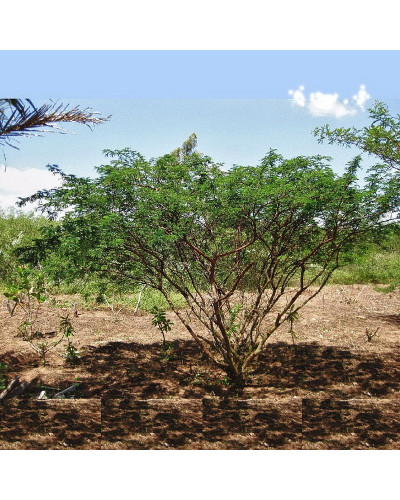
Botanical classification. Common Name: Mimosa Hostilis, Jurema, Jurema preta, Vinho da Jurema, M. tenuiflora, Jurema Branca, M. verrucosa, Vermelha/Embira, M. ophthalmocentra. Country of Origin: Brazil. Family: Fabaceae. Genus: Mimosa. Species: M. tenuiflora The Aztecs already knew about the properties of the Mimosa Hostilis tree before Columbus arrived. Its local Mexican name, Tepezcohuite, is derived from the Aztec ‘tepus-cuahuitl’ or ‘metal tree’, a reference to the tree’s extremely hard wood. This tree has played a major role in the traditions of different indigenous tribes in South, Central and North America. The fern-like branches have leaves that are Mimosa like, finely pinnate, growing to 5 cm (2.0 in) long. Each compound leaf contains 15–33 pairs of bright green leaflets 5–6 mm (0.20–0.24 in) long. The tree itself grows up to 8 m (26 ft) tall and it can reach 4–5 m (13–16 ft) tall in less than 5 years. The white, fragrant flowers occur in loosely cylindrical spikes 4–8 cm (1.6–3.1 in) long. In the northern hemisphere it blossoms and produces fruit from November to June or July.[4] In the Southern Hemisphere it blooms primarily from September to January. The fruit is brittle and averages 2.5–5 cm (0.98–1.97 in) in length. Each pod contains 4–6 seeds that are oval, flat, light brown and 3–4 mm (0.12–0.16 in) in diameter. There are about 145 seeds/1 g (0.035 oz). In the Southern Hemisphere, the fruit ripens from February to April. The tree's bark is dark brown to gray. It splits lengthwise and the inside is reddish brown. Mimosa Hostilis is also playing a part in the latest trend for natural clothes dyes. One has only to look at the brilliant colours of mimosa plant soaps to see the range of colours that catch the eye, and are therefore also perfect for fabrics. A lot of people around the world already do this, especially in Mexico and Brazil. All you have to do is add some mimosa hostilis root bark powder to boiling water and add your clothes, and after some time, you will see surprising results, such as cool, vibrant purple and brown shades. There are a lot of uses of this shrub ranging from the production of fuel to dyeing of fabrics, and it is a valuable food source for animals, especially herbivores, thanks to its high quantity of protein and nutrients. Sirius Herbal sources its Mimosa Hostilis from a company that has 20+ years of experience in harvesting and processing. We only offer a freshly harvested product, and our batch is harvested, processed and shipped to Spain. Sirius Herbal is an online supplier of herbs and herbal products. We provide an international delivery service worldwide, including to Australia, New Zealand, the USA, South America, Asia, Africa and across Europe. The Herb here is strictly offered as a natural dye and botanical specimen. Not for consumption. Consult the disclaimer before you order. This product has not been approved by the FDA for consumption or health benefits.
Ficha técnica
No hay ninguna opinión por el momento.